Leave Your Message
You know, with how quickly technology is advancing in geospatial surveying, it's really made a big difference in both accuracy and speed. Take Real-Time Kinematic (RTK) systems, for example—they've totally changed the game. I read a recent market report by MarketsandMarkets, and it's pretty mind-blowing—it's said that the global GNSS/RTK market might hit around $XX billion by 2025. That surge is mainly because more and more industries like construction, farming, and environmental monitoring need super precise mapping solutions these days. One standout in this space is the Brush Rover Rtk—it’s a real game-changer, offering better positioning and a design that’s really easy for professionals to use. And since Shanghai Apekstool (APEKS) continues to be a leader in advanced GNSS/GPS systems and tailored surveying solutions, bringing the Brush Rover RTK into the mix is a huge step forward. It’s all about hitting higher levels of accuracy and dependability in collecting geospatial data, which is really transforming how mapping is done across so many different industries.
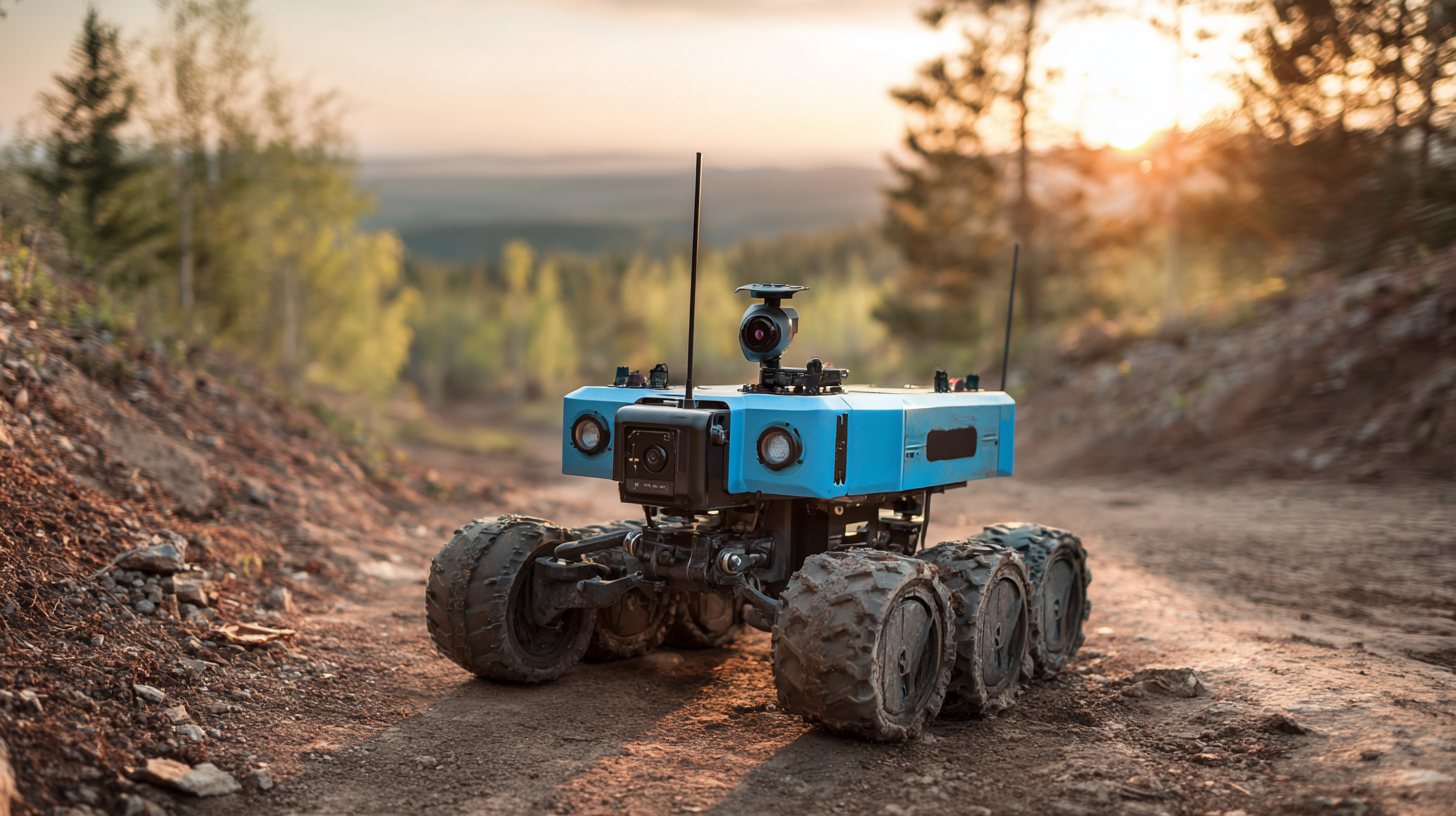
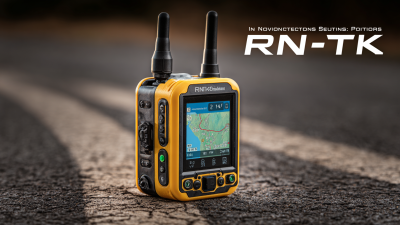
The Brush Rover RTK is really changing the game when it comes to precision mapping. It’s packed with some pretty cool features that make collecting data way easier and more efficient. One of the biggest perks? Its incredible accuracy. Thanks to Real-Time Kinematic (RTK) technology, it can get you measurements down to the centimeter—which is a lifesaver in fields like surveying, farming, or construction, where precision isn’t optional. The built-in GNSS system also keeps things reliable, even in tricky environments, helping to cut down on mistakes and get the job done faster.
But beyond just being accurate, the Brush Rover RTK is super user-friendly. It’s designed to be pretty intuitive, whether you’re a total pro or just starting out. With features like a straightforward touchscreen and easy connectivity to other devices, keeping an eye on your data and seeing real-time updates is a breeze. That means you can make quicker decisions on the fly—which is a total win in hurried projects.
**Quick tip:** Before you kick off your mapping project, take a little time to calibrate the device properly. It might seem like a small step, but it can really make a difference in how accurate your data turns out. Also, don’t forget to keep your software updated. That way, you’ll always have the newest features and improvements right at your fingertips.
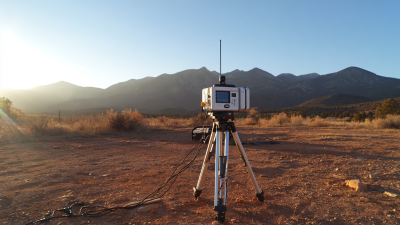
The AP30 Laser Dual-Cameras Rtk Gnss Receiver represents a significant advancement in precision technology, integrating high-end GNSS functionalities with the latest in super IMU and millimeter-level green laser technologies. Designed for professionals who demand accuracy and reliability, the AP30 is equipped to capture complex geospatial data with unprecedented precision, making it an essential tool in fields such as surveying, engineering, and environmental monitoring.
One of the standout features of the AP30 is its dual-camera capability, which allows for enhanced data collection through 3D imaging and advanced mapping techniques. This feature not only facilitates better visual documentation but also significantly improves the effectiveness of data interpretation. The integration of cutting-edge GNSS technology further boosts positioning accuracy, ensuring that users can rely on the data collected for critical decision-making in various applications.
Moreover, the use of millimeter-level green laser technology enhances its functionality by providing precise measurements even in challenging environments. The AP30 is engineered to deliver exceptional performance, making it an invaluable asset for professionals striving for efficiency and accuracy in their projects. With its robust features and benefits, the AP30 is poised to set a new standard in the realm of precision GNSS receivers.
: The main advantage is its high accuracy, achieved through Real-Time Kinematic (RTK) technology, which provides centimeter-level precision, crucial for applications like surveying, agriculture, and construction.
The Brush Rover RTK includes an integrated GNSS system that processes signals from multiple satellite constellations, improving reliability and reducing the risk of errors during data collection.
The Brush Rover RTK features a user-friendly interface with an intuitive touchscreen, making it accessible to both seasoned professionals and novices.
Users are advised to conduct thorough calibration before starting their projects as it significantly affects the accuracy of the data collected.
Unlike traditional methods that often rely on post-processing, the Brush Rover RTK provides real-time kinematic (RTK) positioning, drastically reducing positional errors and improving efficiency in data analysis.
The multi-constellation approach enhances data availability and reliability, resulting in a reported 30% increase in efficiency for mapping projects in various challenging environments.
The device offers seamless connectivity to other devices and real-time data monitoring, which enhances efficiency and enables rapid decision-making essential for fast-paced projects.
Integrating software that complements the Brush Rover RTK can enhance data visualization and further streamline mapping projects, making it more efficient and effective.
Users should ensure that satellite conditions are optimal and conduct field tests to understand the equipment's capabilities across different environments for best results.
Keeping the software updated allows users to leverage the latest enhancements and features, ensuring optimal performance and accuracy of the mapping process.
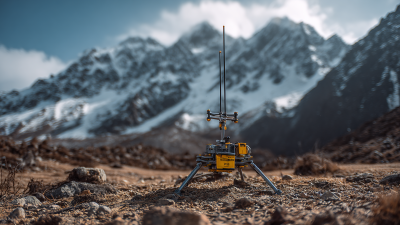
The 'Brush Rover RTK' is truly a game-changer when it comes to precision mapping. It brings some pretty impressive advantages that really boost both accuracy and efficiency in surveying work. Thanks to its innovative tech, it can pinpoint locations with incredible precision, and it’s pretty reliable even in tricky environmental conditions—that makes it a go-to for all kinds of mapping projects. Plus, it’s designed to be user-friendly, so getting the hang of it is smoother, and collecting data becomes way more efficient.
When you compare it to older, more traditional mapping tools, the Brush Rover RTK definitely takes the lead in terms of capabilities. It’s produced by Shanghai Apekstool (or APEKS), a name folks trust for top-notch geospatial surveying gear. Overall, this device really shows their dedication to pushing the boundaries with innovative solutions that help professionals get better data faster. Not only does it up the quality of the data you gather, but it also makes the overall workflow a lot simpler and more straightforward.
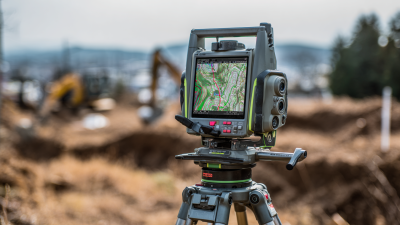




 The Brush Rover RTK has really been making waves in the world of